
The Artistic Journey of Peter Ray James: A Storyteller Through Art
- Barbara Behrens

- Mar 28
- 4 min read
Updated: Apr 9

Navajo artist Peter Ray James uses his artistic gifts to fulfill his mother's declaration that he was to be a storyteller. James’ parents’ Native American names carry significant meanings. For example, his father, Fred James, came from a family of counselors; Fred’s father’s name was “One Who Carries the Message.” James’ mother, Rena James, hailed from a military family; her father was a Navajo code talker during World War II. When her son was born, Rena declared that he wasn’t a warrior but a storyteller. She gave him the name Nā’hat’āh Yīĺth Wōod, “One Who Delivers the Message.”
Peter Ray uses his talents as an artist to create paintings, masks, and fabric “spiritual” sculptures to deliver the message for him.
Growing Up in a Cultural Landscape
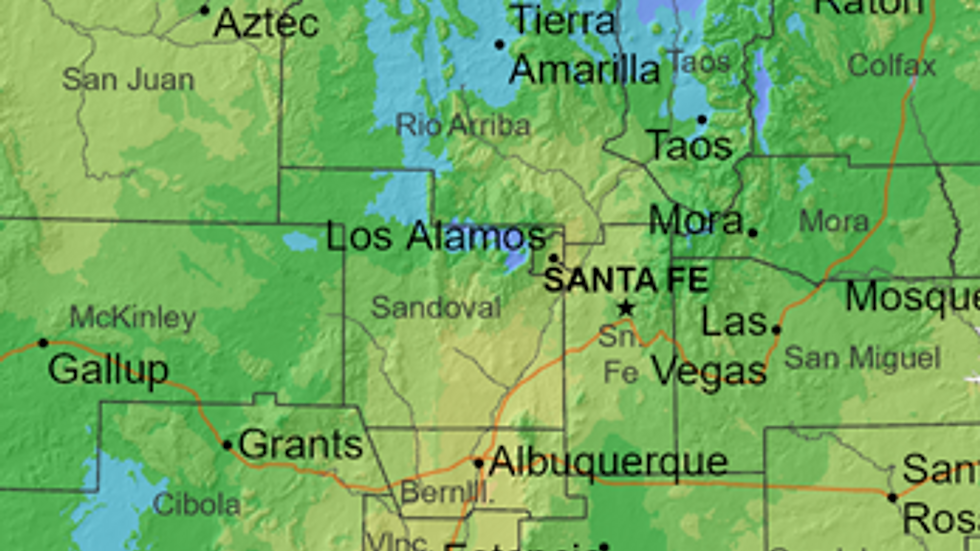
He was raised near Gallup, New Mexico, where he spoke Navajo at home. He attended public high school just outside the Navajo reservation on the outskirts of Grants. However, he reflects, “No Indigenous culture or customs were taught at school.” His community was culturally rich but not deeply immersed in Navajo religious traditions and ceremonies. The men in his community did not have long hair, which was a stark contrast to the traditions he later embraced.
Discovering His Path
After high school, James considered following in his grandfather’s footsteps by enrolling in the military. However, a teacher recognized his talent and suggested he attend the Institute of American Indian Arts in Santa Fe. It was there, surrounded by Indian culture, that he found his true path.
“I felt like I was living in a Hollywood movie,” he recalls. “Most of the students had long hair and wore beads and feathers. These were real Indians, and I was not raised like that.”

James graduated from the institute with honors in 1984 and went on to attend the University of New Mexico in Albuquerque. He shares, “I finally found my style there by visiting Anasazi pottery sites and studying anthropology and Southwest art.” He met many Native art students who welcomed him into their homes, from Arizona to New York, allowing him to attend ceremonies and learn from their traditions.
A Transformative Experience
A pivotal visit to New York changed his artistic direction.
“I went to visit some good Iroquois friends in New Town, New York, and attended their midwinter ceremony,” James recalls. “There, I met Peter Jones, a renowned Iroquois artist. He showed me how he made his masks by rolling out the clay. He stressed that I should bless others through my work and be authentic to my heart and soul.”
Returning to New Mexico, James began buying clay and making masks.
“I call my masks storyteller masks. They look like paintings that tell a story in the composition of a mask,” he explains. “When I roll out the clay, I look at it like a flat earth. Then I bundle up newspaper under the clay to give it shape and start building from sea level to the mountains. The work becomes a three-dimensional painting, and I add adornments like feathers, representing how birds soar.”

Embracing Fabric and Sculpture
James also ventured into creating spirit sculptures from leftover fabric used for his paintings.
“I first started with the scraps I found in the basement; I didn’t want them to go to waste,” he shares. “At that time, my wife was making some Navajo dolls, so I decided to do a freehand sculpture of a large figurine based on rock art from the Fremont culture. My first 15 figures were all different sizes and one-of-a-kind, 2 or 3 feet high.” He sews and stuffs the sculptures, paints designs on the fabric, and hand signs each one.

Fifteen years later, he finds himself buying 15 yards or more of canvas at a time for his paintings and soft sculptures.
“I am a human being with so much information about my culture that one art medium is not enough to translate my messages,” James states. “All I know is that our Creator blesses me in a very talented way.”
The Heart of His Art
For James, making art transcends financial gain.
“I just want to enrich people’s lives,” he says. He aims to deliver a message of Navajo blessing: “In beauty may you enrich your life and your family. Keep alive your family tradition and make it spiritual. Give to all people you can—with that comes fruitfulness.”
He has also attended the Parsons School of Design in New York City. James introduced his art to the competitive Indian Art world in the spring of 1988. Since then, he has sold over 1,200 masks and 900 canvases. His art has graced album covers, prominent art show posters, and numerous newspaper and magazine covers. Celebrity collectors include Ahmad and Phylicia Rashad, Ted Danson, John Bon Jovi, and Wynonna Judd.

“I truly believe my destiny is to be a storyteller through my artistic endeavors. I am always honored and respectful to represent my family name in my homeland and abroad." James’ soft sculptures can be purchased through Tanner Tradition in Ruidoso, NM.
Conclusion: The Legacy of a Storyteller
Peter Ray James continues to inspire through his art, weaving stories that honor his heritage. His journey reminds us of the power of creativity and the importance of cultural preservation. Each piece he creates is a testament to his commitment to storytelling, enriching lives, and celebrating the beauty of Native American traditions. As we engage with his work, we are invited to reflect on our own stories and the legacies we carry forward.


Comments